
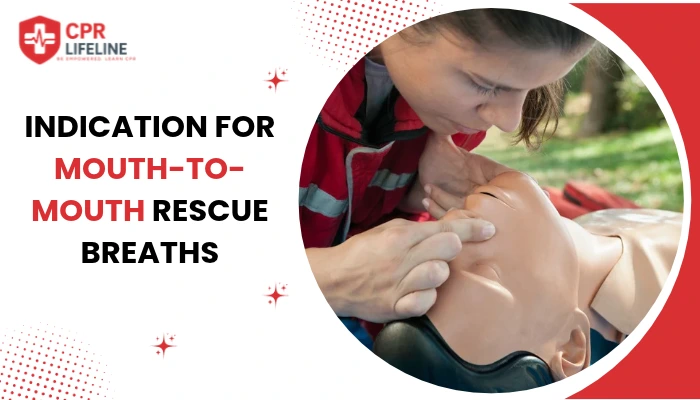

Mouth-to-mouth rescue breaths are indicated when a person is not breathing normally and needs assisted ventilation. They are used to provide air to the lungs when the person’s own breathing is absent or inadequate, helping maintain oxygen delivery until normal breathing returns or emergency medical care takes over.
Rescue breaths are particularly important in respiratory arrest, drowning, opioid overdose, and cardiac arrest caused by oxygen deprivation. They are also a key component of CPR for infants and children, as pediatric cardiac arrest often results from respiratory problems. For adults in cardiac arrest, you should give 2 rescue breaths after every 30 chest compressions when no advanced airway is in place.
In this blog, you will learn why mouth-to-mouth rescue breaths are important, when they should be given, how to perform them correctly, and when they are not recommended.
Why Are Mouth-to-Mouth Rescue Breaths Important?
Mouth-to-mouth rescue breaths are an important part of resuscitation when a person is unable to breathe normally. Unlike chest compressions, which circulate blood through the body, rescue breaths provide ventilation by moving air into the lungs. They are particularly important when the emergency involves breathing failure or a lack of oxygen, because chest compressions alone cannot replace normal breathing.
The main benefits of mouth-to-mouth rescue breaths include:
1. Provide ventilation
Rescue breaths move air into the lungs when a person has stopped breathing or cannot breathe effectively. This provides the ventilation needed to support gas exchange when normal breathing is absent.
2. Maintain oxygen supply
By delivering air to the lungs, rescue breaths allow oxygen to enter the bloodstream and reach vital organs. Maintaining oxygen availability is especially important during prolonged periods without normal breathing.
3. Support brain function
The brain needs a continuous supply of oxygen to function properly. When oxygen delivery is interrupted, brain cells can begin to suffer damage within minutes, potentially as early as 4 to 6 minutes. Providing rescue breaths during resuscitation helps maintain oxygen supply to the brain and may reduce the risk of severe neurological injury.
4. Work with chest compressions
During CPR, rescue breaths and chest compressions serve different purposes. Rescue breaths provide ventilation, while chest compressions circulate blood through the body. Using both can address both the breathing and circulation problems present during cardiac arrest.
5. Improve neurological outcomes
Evidence suggests that rescue-breathing CPR can improve outcomes in certain patient groups. In a study of 13,060 pediatric out-of-hospital cardiac arrests, CPR with rescue breathing was associated with 36% higher odds of neurologically favorable survival than compression-only CPR. This shows the importance of including ventilation when the arrest is related to a breathing problem.
When Should You Give Mouth-to-Mouth Rescue Breaths?
Mouth-to-mouth rescue breaths are used when a person is not breathing normally and needs ventilation. Recognizing when rescue breaths are appropriate is an important part of responding to a breathing emergency. The response depends on the person’s breathing, circulation, and the circumstances surrounding the emergency, while following the appropriate CPR or first aid response.
The following situations are some of the indications for mouth-to-mouth rescue breaths:
Respiratory Arrest(Pulse but no breathing)
When a person has a pulse but no breathing, rescue breaths provide the ventilation their body can no longer produce. For adults with respiratory arrest, the 2025 AHA guidelines recommend approximately 1 breath every 6 seconds (10 breaths per minute) while emergency medical care is obtained.
Cardiac Arrest
For conventional CPR without an advanced airway, trained rescuers should give 30 chest compressions followed by 2 breaths, with each breath delivered over about 1 second and enough to produce visible chest rise. An untrained or unwilling bystander can use Hands-Only CPR, while a trained rescuer who is willing and able to provide breaths can perform conventional CPR.
Drowning
Drowning is primarily a respiratory emergency in which a lack of oxygen is central to the injury. Rescue breaths are particularly important during resuscitation for drowning victims to restore ventilation after submersion. Trained rescuers should use appropriate methods, such as mouth-to-mouth, a pocket mask, or a bag-mask device.
Opioid Overdose
Opioids can significantly slow or stop breathing, causing severe oxygen deprivation even before cardiac arrest occurs. Rescue breaths can provide temporary ventilation until emergency medical treatment arrives.
Choking
A severe airway obstruction prevents air from reaching the lungs and can progress from respiratory distress to respiratory arrest and cardiac arrest. For an unresponsive choking victim, CPR is required. Rescue breaths can help restore ventilation after chest compressions when the airway can be opened sufficiently to attempt them.
Severe Allergic Reaction
Anaphylaxis can cause swelling and narrowing of the airway, severe breathing difficulty, and eventually respiratory or cardiac arrest. Rescue breaths can support ventilation if breathing fails, while epinephrine remains the primary treatment for the allergic reaction and emergency medical care addresses the underlying cause.
Trauma
Serious trauma can interfere with breathing through airway injuries, chest trauma, blood loss, or damage to other vital structures. If these injuries lead to respiratory or cardiac arrest, rescue breaths may form an important part of resuscitation. Suspected spinal injury alone is not a reason to withhold rescue breaths.
Infants and Children
Cardiac arrest in infants and children is more commonly associated with respiratory problems than sudden primary cardiac causes. For this reason, both chest compressions and rescue breaths are generally preferred for child and infant CPR when the rescuer is able to provide them.
How to Give Mouth-to-Mouth Rescue Breaths
Giving mouth-to-mouth rescue breaths requires proper airway positioning, a good seal, and controlled ventilation. You should perform each step carefully to make sure the breaths enter the lungs effectively while avoiding excessive ventilation.
If you are trained and willing to provide mouth-to-mouth rescue breaths, you should use the following procedure:
1. Make Sure the Scene Is Safe
Before approaching the person, you should check that the area is safe for you, the person, and anyone else nearby. Look for hazards such as traffic, fire, electrical sources, smoke, or other immediate dangers. Do not put yourself at risk while attempting to provide first aid.
2. Check Responsiveness and Breathing
You should check whether the person responds when you speak to them or gently tap their shoulders. Look for normal chest movement and listen and feel for breathing for no more than 10 seconds. Gasping, irregular, or abnormal breaths are not considered normal breathing. If an adult is unresponsive and not breathing normally, begin CPR and use an AED if one is available.
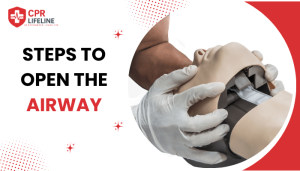
3. Open the Airway
For most adults, you should open the airway using a head-tilt/chin-lift. Place one hand on the forehead and gently tilt the head back while lifting the chin with the fingers of the other hand. This helps move the tongue away from the back of the throat and allows air to enter the lungs. If a head or neck injury is suspected, use a jaw thrust to open the airway when appropriate.
4. Create a Seal and Give a Slow Breath
Pinch the person’s nostrils closed with your thumb and index finger while maintaining the open airway. Place your mouth over the person’s mouth and create a complete seal so that air does not escape.
Give a breath over about 1 second and give only enough air to make the person’s chest visibly rise. Avoid blowing forcefully or delivering excessive ventilation, as this can cause air to enter the stomach and increase the risk of regurgitation.
5. Allow the Chest to Fall
After giving the breath, you should remove your mouth from the person’s mouth and allow the chest to fall completely before giving the next breath. This allows air to leave the lungs before the next ventilation.
6. Continue CPR
Continue rescue breathing or CPR according to the person’s condition. For an adult in cardiac arrest without an advanced airway, trained rescuers should give 30 chest compressions followed by 2 breaths. During compressions, allow the chest to return fully to its normal position between each compression. Continue to monitor the person and seek emergency medical care.
When Is Mouth-to-Mouth Not Recommended?
Mouth-to-mouth is not appropriate in every situation, and the person’s condition should be assessed before deciding how to provide breathing support. In some circumstances, another first aid or resuscitation approach may be more appropriate.
Mouth-to-mouth may not be appropriate in the following situations.
Normal Breathing
You should not give rescue breaths to someone who is breathing normally. Instead, monitor the person and provide appropriate first aid while seeking medical assistance when needed.
Conscious and Breathing
A person who is awake and breathing, even if they are experiencing shortness of breath, does not normally need mouth-to-mouth ventilation. The priority is to address the underlying emergency and get medical help.
A Barrier or Alternative Is Available
If you are concerned about direct mouth-to-mouth contact and a pocket mask, face shield, or bag-mask device is available and you are trained to use it, use the appropriate barrier method. A pocket mask is preferable to a simple face shield when available because it can provide more effective ventilation.
You Cannot Safely Provide Breaths
If you are unable or unwilling to provide breaths, do not delay lifesaving CPR. For an adult in sudden cardiac arrest, Hands-Only CPR is preferable to doing nothing. For children and infants, conventional CPR with breaths is preferred when the rescuer can provide them.
Hazardous Contamination
If the person’s mouth or surrounding environment is contaminated with a dangerous chemical or other hazardous substance, direct mouth-to-mouth contact can expose the rescuer. Move to safety and follow emergency instructions rather than putting yourself at risk.
Common Mistakes to Avoid During Mouth-to-Mouth Rescue Breaths
Even when the rescuer knows the basic steps, several mistakes can make breaths less effective. Pay attention to the airway position, seal, breath size, and timing to avoid common problems during ventilation.
The following are some mistakes you should avoid when giving rescue breaths:
- Breathing Normally: Do not give rescue breaths to someone who is already breathing normally. Check the person’s breathing first and make sure they actually need ventilation.
- Airway Not Open: An improperly opened airway can prevent air from reaching the lungs. Use the appropriate airway-opening technique before giving a breath.
- Poor Seal: Create a good seal around the person’s mouth so that air does not escape. A poor seal can reduce the amount of air reaching the lungs.
- Blowing Too Hard: Excessive ventilation can cause gastric inflation, regurgitation, aspiration, and reduced cardiac output. Give controlled breaths that produce visible chest rise rather than forceful or oversized breaths.
- Not Watching the Chest: Watch the person’s chest as you give each breath. Visible chest rise shows that air is entering the lungs and helps you judge whether the ventilation is effective.
- Long Pauses: During CPR, avoid spending too much time on ventilation. Give the breaths efficiently and return to chest compressions without unnecessary delays.
- Delaying Emergency Help: Mouth-to-mouth provides temporary support but does not treat the underlying emergency. Activate the emergency response system and use an AED as soon as one is available.
Practical Training Is Key to Giving Effective Rescue Breaths
Mouth-to-mouth rescue breaths are most important when a person is not breathing normally and needs assisted ventilation. They have a particularly important role in respiratory arrest, drowning, opioid overdose, and cardiac arrest caused by respiratory or asphyxial events. For adult cardiac arrest, conventional CPR combines 30 chest compressions with 2 breaths, while Hands-Only CPR remains an appropriate option for many untrained or unwilling adult rescuers.
Acting promptly and correctly can provide critical oxygen until professional care takes over. Proper CPR training can help you develop the knowledge and practical abilities needed to respond confidently when an emergency strikes. CPR Lifeline offers American Heart Association-certified training in CPR, BLS, ACLS, and PALS. Our blended courses combine self-paced online learning with a hands-on skills check, giving learners the opportunity to practice essential techniques and build confidence in responding to emergencies.
Faqs
Breaths are especially valuable when the emergency involves a lack of oxygen or failure to breathe, such as drowning, respiratory arrest, opioid overdose, and pediatric cardiac arrest. They are also part of conventional CPR for adult cardiac arrest when the rescuer is willing and capable of providing them.

Chris Peters
Chris Peters is a certified American Heart Association instructor and firefighter since 1996 with over 30 years of emergency response experience. After answering thousands of 911 calls, he founded CPR Lifeline to provide AHA-certified training that transforms bystanders into confident lifesavers who act decisively when seconds count