



CPR is one of the most important emergency procedures for saving a person’s life during cardiac arrest. By delivering forceful chest compressions, CPR helps maintain blood circulation until advanced medical care is available. While these compressions can be life-saving, they often leave survivors with chest pain afterward.
Chest pain after CPR is common and usually results from the pressure applied during chest compressions. In many cases, the discomfort improves within a few weeks with proper rest and supportive care. However, some people may experience more significant injuries that require medical treatment.
This blog explains why chest pain occurs after CPR, whether it is normal, what symptoms to expect, how long recovery typically takes, and the safest ways to relieve post-CPR chest pain.
Why Does Chest Pain Happen After CPR?
During CPR, rescuers push hard and fast on the center of the chest to manually pump blood throughout the body. Current AHA CPR guidelines recommend high-quality compressions that are about 2-2.4 inches (5-6 cm) deep for adults at a rate of 100 to 120 compressions per minute. This level of force is necessary to increase the chances of survival but can also place significant stress on the chest.
Several factors contribute to chest pain after CPR, including:
- Muscle Strain: The chest muscles work against repeated compressions often leading to soreness and stiffness similar to what you might feel after intense exercise.
- Bruising of Soft Tissues: The skin, fat, and connective tissues of the chest can become bruised from repeated pressure, resulting in tenderness and discomfort.
- Rib Fractures: Broken ribs are a recognized complication of CPR, particularly in older adults or people with fragile bones. Although painful, rib fractures may occur even when CPR is performed correctly.
- Sternum (Breastbone) Injury: The breastbone absorbs a lot of force during chest compressions. In some cases, it may become bruised or fractured, causing pain in the center of the chest.
- Cartilage and Ligament Injuries: The cartilage connecting the ribs to the breastbone and surrounding ligaments may become inflamed or strained, leading to pain with movement, coughing, or deep breathing.
Mild to moderate chest pain is a common part of recovery after CPR. The intensity of pain depends on several factors such as the duration of CPR, the quality and depth of chest compressions, the person’s age, and bone health, including osteoporosis.
What Are the Symptoms of Chest Pain After CPR?
Chest pain after CPR can vary from person to person depending on the extent of tissue or bone injury. It is important to know which symptoms are a normal part of recovery and which may signal a complication that needs urgent medical attention.
Common symptoms:
- Soreness or tenderness over the breastbone/sternum and ribs, similar to a bruise
- Pain that worsens with movement, deep breathing, coughing, or pressing on the chest
- Mild swelling or bruising in the chest area
- Discomfort when lying on the chest or rolling over
These symptoms typically result from the force of chest compressions and usually improve within days to a couple of weeks.
Symptoms that may indicate a complication:
- Sharp, localized pain that worsens rather than improves over time
- A grinding, clicking, or popping sensation in the chest, which can suggest a rib or sternal fracture
- Difficulty breathing or shortness of breath
- Visible deformity of the chest wall
- Crackling sensation under the skin which can indicate air trapped under the skin, sometimes linked to a punctured lung
- Signs of infection at any compression area, such as increasing redness, warmth, or drainage
Anyone who has undergone CPR should be evaluated by a medical professional afterward even if they feel stable. This is because CPR-related injuries like rib fractures, sternal fractures, and injury to internal organs can occur even when compressions are performed correctly.
How Long Does Chest Pain Last After CPR?
The recovery time for post-CPR chest pain depends on the type and severity of the injury you sustained. Pain usually fades in stages, not all at once. It often starts sharp and gradually turns into a dull ache before disappearing completely.
Typical recovery timelines:
- Under 4 weeks: Many people find their soreness resolves fully within this window, especially if the injury was limited to bruising or muscle strain.
- 1 to 3 months: For those with a rib or sternal fracture, lingering discomfort and sharp pain with sudden movements like coughing or sneezing typically resolve within this stretch.
- Over 3 months: A smaller number of people, particularly those with more significant fractures or cartilage injuries, may notice occasional or lingering pain for several months longer.
Several factors shape how quickly you heal, including your age, overall health, and whether you have osteoporosis. The length of the CPR you received, any existing medical conditions, and how closely you follow your treatment plan and activity restrictions also play a role.
How to Relieve Post-CPR Chest Pain
Compressions that save your life can leave your chest bruised, strained, or even fractured. The pain doesn’t mean you have to wait it out passively. A few targeted habits can ease the discomfort while your body repairs itself underneath.
Although healing takes time, below are ten strategies that can help reduce discomfort and support recovery:
1. Follow Your Healthcare Provider’s Instructions
Always follow the discharge instructions your care team gives you after hospitalization. Your treatment plan may include medications, activity restrictions, breathing exercises, or follow-up appointments. Sticking to this plan, even once you start feeling better, helps you avoid setbacks and gives your body the best chance to heal properly.
2. Take Pain Medication as Directed
Your healthcare provider may recommend over-the-counter pain relievers such as acetaminophen or nonsteroidal anti-inflammatory drugs (NSAIDs), depending on your medical history.
Avoid taking any medication without professional guidance, especially if you have any kidney disease, stomach ulcers, liver disease, or take blood thinners, since these conditions can make certain pain relievers unsafe.
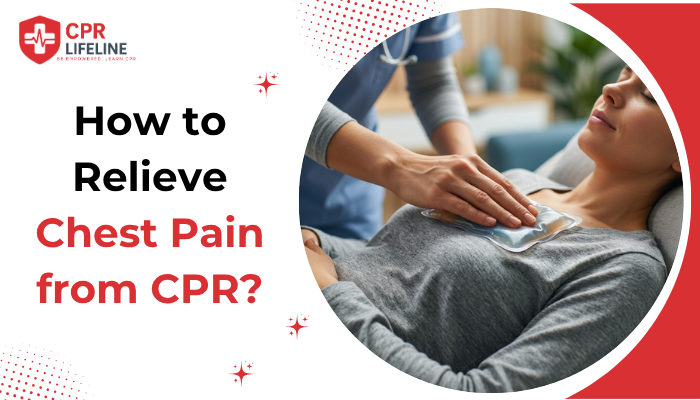
3. Apply Cold Packs During the First Two Days
Cold therapy reduces swelling and numbs sore tissue, making it most effective right after CPR while inflammation is at its peak.
To use ice safely, wrap an ice pack in a towel, apply it to the painful area for 15–20 minutes and repeat several times a day during the first 24–48 hours. Do not place ice directly on the skin.
4. Use Heat for Lingering Muscle Soreness
Once swelling subsides, gentle heat can relax tight muscles and reduce stiffness. Warm compresses, a heating pad on a low setting, or a warm shower can all provide relief and improve blood flow to the area, which supports healing in the days after the initial swelling goes down.
5. Rest Without Becoming Completely Inactive
Avoid strenuous exercise, heavy lifting, or activities that increase pain. When cleared by your healthcare provider, light movement and walking are beneficial for preventing stiffness and promoting recovery.
6. Practice Deep Breathing Exercises
Chest pain often causes people to take shallow breaths, so simple breathing exercises help maintain healthy lung function. Slowly inhale through your nose, hold your breath for a few seconds, and exhale gently through your mouth. Repeat several times if your healthcare provider recommends it. Keeping your lungs fully engaged this way also lowers your risk of complications like pneumonia during recovery.
7. Support Your Chest When Coughing
Hold a pillow against your chest when you cough or sneeze. This provides gentle support to sore muscles and ribs and reduces discomfort, especially if you have a rib or sternal injury that makes sudden movements painful.
8. Sleep in a Comfortable Position
Sleep on your back or slightly elevated with pillows to reduce pressure on the chest. Choose a position that minimizes discomfort while allowing you to breathe comfortably. Propping yourself up rather than lying flat can also ease pressure if you notice pain worsens when you’re fully reclined.
9. Stay Hydrated and Eat a Nutritious Diet
Drink plenty of water and eat a balanced diet rich in protein, fruits, vegetables, whole grains, and healthy fats. These nutrients support tissue repair and give your body the energy it needs for overall recovery, particularly if you’re healing from a rib or sternal fracture.
10. Attend Follow-Up Appointments
Let your healthcare provider monitor your recovery, especially if you have rib fractures or ongoing pain. Follow-up visits help ensure proper healing and let your provider catch complications early, before they become harder to treat.
Don’t Let Fear of Injury Stop You From Saving a Life
Chest pain after CPR is a common consequence of the force required to perform life-saving chest compressions. Most people experience muscle soreness, bruising, or temporary discomfort that gradually improves with rest, appropriate pain management, and time. In some cases, rib or breastbone injuries may extend the recovery period, making medical follow-up especially important.
Sore ribs and a bruised chest are a small trade-off for a second chance at life, and that’s exactly what proper CPR gives someone in cardiac arrest. If you want the skills and confidence to step in during an emergency, CPR Lifeline offers AHA-certified courses with flexible online modules and a quick in-person skills check across Georgia and Tennessee.
Faqs
Yes. Chest compressions apply significant pressure to the chest, which can cause soreness, bruising, or strain to the surrounding muscles. Most muscle-related discomfort improves as the body heals, though recovery time can vary depending on the severity of the injury.

Chris Peters
Chris Peters is a certified American Heart Association instructor and firefighter since 1996 with over 30 years of emergency response experience. After answering thousands of 911 calls, he founded CPR Lifeline to provide AHA-certified training that transforms bystanders into confident lifesavers who act decisively when seconds count