


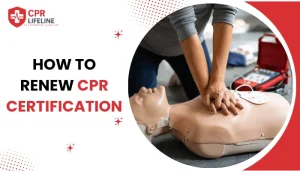
Every second counts during a cardiac arrest, and starting CPR quickly significantly improves the chances of survival. A common mistake during resuscitation is compressing at an inconsistent rate due to the intense pressure of the situation. To ensure the best outcome, you must maintain a rate of 100 to 120 chest compressions per minute. This is the official standard set by the American Heart Association.
Keeping this precise rhythm without a timer is difficult when you are stressed, but using a familiar mental rhythm can help you stay on track. Music provides a steady and familiar beat that helps your brain maintain the correct compression speed. Songs with a tempo of 100 to 120 beats per minute allow you to match each chest compression to the rhythm without needing extra equipment or counting out loud.
This content covers which songs work best for CPR and how to use them effectively in a real emergency. Using these recognizable tracks ensures you deliver high quality compressions that can save a life.
How Do Songs Help Maintain CPR Rhythm?
CPR requires exactly 100 to 120 chest compressions per minute. Counting that rate in your head while managing an emergency is difficult. Songs with a matching BPM give you a built-in rhythm to follow without any mental math.
Here is why songs work better than counting:
- They anchor your timing. Familiar songs activate strong memory patterns in your brain. That memory keeps your compression rate consistent even under stress.
- They remove the counting burden. Instead of tracking numbers, you match each compression to a beat. This frees your focus for other critical tasks.
- They are always accessible. You do not need a device, a metronome, or a timer. If you know the song, you have the rhythm.
- They outperform metronomes in real situations. A metronome requires a phone or device. A song lives in your memory. In a sudden emergency, recall is faster than retrieval.
- They help to keep your rhythm steady. Without a guide, compression rates tend to speed up or slow down over time. A steady song beat keeps your pace locked in from start to finish.
What Are the Best Songs to Do CPR To? (100–120 BPM)
The best songs for CPR have two things in common: a steady, consistent beat and a tempo that stays within 100 to 120 beats per minute. Choose a song with a predictable rhythm that does not speed up or slow down, as any mid-song changes will disrupt your compression rate. It is also important to select a song that is culturally familiar to you. A song you already know well is easier to recall under stress than one you have to think about. The more automatic the memory, the more reliable it is in an emergency.
Here are 20 best songs to do CPR that meet both criteria:
1. Stayin' Alive – Bee Gees (103 BPM)
Stayin’ Alive is the most widely recognized CPR training song in the world. Its 103 BPM fits perfectly within the right speed for chest compressions. The American Heart Association has used it in public awareness campaigns, and many formal CPR courses reference it as the default rhythm guide. The song’s title also works as a helpful reminder during a heart emergency.
2. All Star – Smash Mouth (104 BPM)
All Star has a tempo of 104 BPM with a consistent drum-driven beat throughout. The chorus is particularly steady, making it easy to match compressions without losing pace. Its widespread cultural recognition means most people can recall it instantly, even under pressure.
3. The Real Slim Shady – Eminem (105 BPM)

The Real Slim Shady holds a tight 105 BPM with a repetitive rhythm. The beat stays consistent across verses and chorus, giving you a reliable tempo throughout the full compression cycle. Its strong rhythmic pattern makes it one of the more natural fits for hands-only CPR.
4. Ring of Fire – Johnny Cash (105 BPM)
Ring of Fire has a steady 105 BPM tempo with a driving, march-like rhythm. The beat is simple and highly repetitive, so you can easily internalize it after just a few listens. It is a great choice for anyone who prefers classic music over modern pop.
5. Everybody (Backstreet's Back) – Backstreet Boys (108 BPM)
This song holds a steady 108 BPM with a consistent electronic beat underneath the vocals. The rhythm does not waver between verse and chorus, which is important for maintaining a locked compression rate. Its familiarity across multiple generations makes it a reliable memory anchor.
6. Eye of the Tiger – Survivor (109 BPM)
Eye of the Tiger has a tempo of 109 BPM and features one of the most instantly recognizable opening beats in popular music. The riff-driven rhythm is strong, repetitive, and easy to internalize. Many CPR instructors reference this song because the beat feels natural to compress to, even for first-time learners.
7. Rock Your Body – Justin Timberlake (101 BPM)

Rock Your Body has a tempo of 101 BPM, placing it at the lower boundary of the ideal CPR range. The beat is smooth and consistent, driven by a steady groove that does not speed up or slow down. It works well for rescuers who find faster-tempo songs harder to maintain over time.
8. Purple Rain – Prince (113 BPM)

Purple Rain has a tempo of 113 BPM and features a clear, metronomic drum pattern beneath the melody. Even though the song feels slow and emotional, the underlying beat remains steady and reliable. It is a good choice for anyone who prefers a mid-range tempo within the 100 to 120 BPM window.
9. Can't Stop the Feeling – Justin Timberlake (113 BPM)

Can’t Stop the Feeling holds 113 BPM with a bright, consistent beat throughout. The song has no major tempo changes, making it easy to follow from start to finish. Its upbeat character can help maintain focus and energy during the physical demands of sustained compressions.
10. Baby Shark – Pinkfong (115 BPM)

Baby Shark sits at 115 BPM with an extremely simple and repetitive rhythm. Its looping structure means the beat never shifts, making it one of the easiest songs to follow mechanically. It is particularly useful in pediatric CPR training settings and for teaching children basic rhythm awareness.
11. Billie Jean – Michael Jackson (117 BPM)

Billie Jean plays at 117 BPM with a drum machine beat that is precise and unwavering. The rhythm is one of the most consistent in pop music history, making it an excellent tempo guide for chest compressions. Its global recognition means you can recall it quickly in almost any emergency setting.
12. Smells Like Teen Spirit – Nirvana (117 BPM)
Smells Like Teen Spirit holds 117 BPM with a powerful, driving drum pattern. The beat is loud and forceful, which can help maintain compression energy during physically demanding resuscitation. It is a strong choice for rescuers who respond better to high-energy music.
13. Glory Days – Bruce Springsteen (117 BPM)

Glory Days has a steady 117 BPM tempo with a consistent rock beat from start to finish. The rhythm is simple and easy to follow, with no major changes in pace between sections. This steady beat makes it a reliable guide for chest compressions throughout an entire CPR cycle.
14. I Wanna Dance With Somebody – Whitney Houston (119 BPM)

This song plays at 119 BPM, placing it near the upper limit of the recommended range. The beat is strong, clear, and unwavering from start to finish. Its energetic rhythm can help prevent you from slowing down during longer periods of compressions.
15. Bad Romance – Lady Gaga (119 BPM)

Bad Romance holds 119 BPM with a heavy electronic beat that stays locked throughout the song. The rhythm is easy to feel and follow, even without consciously counting. Its strong bass beat makes it particularly easy to sync compressions in real time.
16. Uptown Funk – Mark Ronson ft. Bruno Mars (115 BPM)

Uptown Funk plays at 115 BPM with a funky, rhythm-forward beat that stays consistent across the entire track. The drum pattern is prominent in the mix, making it easy to isolate and follow. Its high recognizability across age groups makes it a reliable recall option in an emergency.
17. Call Me Maybe – Carly Rae Jepsen (120 BPM)

Call Me Maybe sits at exactly 120 BPM, the upper boundary of the AHA-recommended compression rate. The beat is light but steady throughout. It’s simple, repetitive pop structure makes it easy to follow without mental effort.
18. Just Dance – Lady Gaga (119 BPM)

Just Dance has a tempo of 119 BPM with a driving electronic rhythm that holds steady across the full track. The beat is prominent and easy to latch onto from the first few seconds. Its fast tempo helps prevent the natural drift toward slower compressions during fatigue.
19. Wannabe – Spice Girls (110 BPM)

Wannabe plays at 110 BPM with a punchy, consistent rhythm throughout. The beat is clear and easy to match compressions to without losing count. Its broad generational recognition makes it a strong option for group CPR training environments.
20. Man in the Mirror – Michael Jackson (100 BPM)

Man in the Mirror sits at exactly 100 BPM, the lower boundary of the recommended compression range. The beat is steady and gospel-driven, with no tempo shifts across the track. It is a useful option for rescuers who find higher-tempo songs difficult to sustain over time.
How Do You Use Songs During CPR in Real Situations?
Using a song during CPR is straightforward. You must match each chest compression to a single beat of the song to maintain the necessary rhythm. This technique does not require audible counting or external timers during a medical emergency. Just one compression per beat, repeated continuously until help arrives or the person recovers. Here is exactly how to apply it from the moment you recognize an emergency.
- Check for responsiveness: Tap the person firmly on the shoulders and shout. No response and no normal breathing mean you need to act immediately.
- Call emergency services: Call 911 or direct someone nearby to call. Start CPR right after calling, or have a bystander call while you begin compressions.
- Get into position: Kneel beside the person. Place the heel of your hand on the center of their chest, on the lower half of the breastbone. Place your second hand on top, interlock your fingers, and keep your arms straight.
- Start compressions at song rhythm: Begin compressions and start the song in your head. Match one compression to one beat. Press down at least 2 inches deep and let the chest fully rise between each compression.
- Maintain the 30:2 ratio if trained: Deliver 30 compressions, then give 2 rescue breaths. Hands-only CPR is still effective if you are not trained in rescue breathing.
- Watch your pace during fatigue: As you get tired, your compression rate tends to slow down. Return to the beat consciously every few cycles and stay locked to the rhythm.
- Switch rescuers every 2 minutes: Compression quality drops after 2 minutes of continuous effort. Switch rescuers quickly and keep the pause under 10 seconds.
Good CPR Starts With the Right Rhythm
Cardiac arrest can happen anywhere, to anyone. The difference between survival and permanent brain damage often comes down to what happens in the first few minutes. Maintaining 100 to 120 compressions per minute is not just a guideline, it is the standard that keeps blood moving to the brain and vital organs. Songs give you a free, always-available tool to hit that standard without a timer, a device, or any training equipment. The right beat, recalled instantly from memory, can make your compressions far more effective than guessing.
Knowing the right songs is a good start, but formal CPR training is what makes the difference when a real emergency happens. Training builds the muscle memory, confidence, and technique that no playlist can replace. Visit CPR Lifeline to find a certified CPR course near you. Learn the skills, practice the rhythm, and be ready to act before you ever need to.
Faqs
The best song for CPR is "Stayin' Alive" by the Bee Gees. It runs at 103 BPM, sits perfectly in the recommended 100 to 120 BPM range, and has been used in official CPR awareness campaigns by the American Heart Association. That said, any song within the 100 to 120 BPM range with a steady, consistent beat will work effectively.
Stayin' Alive is used for CPR because its tempo of 103 BPM matches the recommended chest compression rate of 100 to 120 per minute. Its beat is steady, simple, and easy to recall under stress. Its title also serves as a natural memory cue during a cardiac emergency, which is why CPR training programs worldwide continue to reference it.
CPR compressions should be performed at 100 to 120 beats per minute. This rate ensures enough blood flow to the brain and vital organs during cardiac arrest. Compressing too slowly reduces circulation. Compressing too fast reduces the depth and effectiveness of each compression.
No. You can only use songs that fall within 100 to 120 BPM and maintain a steady beat throughout. Songs that are too slow, too fast, or inconsistent in tempo will push your compression rate outside the recommended range. Always verify a song's BPM before relying on it during CPR training or practice.
Yes, singing or humming the song out loud can help reinforce your compression rhythm, especially during prolonged CPR. It keeps the beat active in your mind and makes it harder to drift off pace. However, your primary focus should remain on compression depth and full chest recoil with each beat.
Yes. Hands-only CPR, which involves continuous chest compressions without rescue breaths, is a recognized and effective technique. The American Heart Association recommends it for untrained bystanders or those uncomfortable with mouth-to-mouth contact. Continuous compressions at the correct BPM still deliver meaningful blood flow to the brain and vital organs.
There are 3 key signs that your CPR compressions are effective. First, you are pressing down at least 2 inches deep with each compression. Second, you are allowing the chest to fully rise between compressions. Third, you are maintaining a steady rate of 100 to 120 compressions per minute. In a clinical setting, effective compressions may produce a palpable pulse.
Yes. Research shows that rescuers who use music or a metronome during CPR maintain more accurate compression rates compared to those who count manually. Consistent compression rate is directly linked to better blood flow and higher survival outcomes in cardiac arrest. Music works because it removes the cognitive load of counting, allowing the rescuer to focus on technique.

Chris Peters
Chris Peters is a certified American Heart Association instructor and firefighter since 1996 with over 30 years of emergency response experience. After answering thousands of 911 calls, he founded CPR Lifeline to provide AHA-certified training that transforms bystanders into confident lifesavers who act decisively when seconds count