

CPR stands for Cardiopulmonary Resuscitation, and it is a life-saving emergency procedure that keeps blood and oxygen flowing when the heart or breathing stops. CPR, when performed properly, can increase chances of survival by double or triple, keeping oxygen-rich blood flowing to the brain and vital organs.
In sudden cardiac arrest, every second is important as the brain damage begins after just four to six minutes without oxygen, and death follows soon after. That’s why organizations like the American Heart Association (AHA) emphasize CPR as a cornerstone of emergency response in protocols for BLS, ACLS, and everyday first aid. Whether you’re a parent, teacher, office worker, or gym enthusiast, learning CPR equips you to act confidently in crises like choking, drowning, or heart attacks, bridging the gap until professional help arrives.
In this comprehensive article, we’ll dive deep into what CPR stands for, why it matters, along with statistics, and walk you through the exact step-by-step process to perform it effectively on adults, children, and even infants.
What Does CPR Stand For?
CPR is an acronym for Cardiopulmonary Resuscitation, and is a life-saving technique during sudden cardiac arrest. CPR can be broken down into three simple but powerful terms that highlight what it does;
Cardio refers to the heart (from the Greek word “kardia”). During cardiac arrest, the heart stops pumping blood to vital organs like the brain and lungs, causing unconsciousness in seconds and potential brain damage after 4-6 minutes without oxygen. During CPR, chest compression is performed, pushing hard and fast (at least 2 inches deep in adults, 100-120 per minute) on the center of the chest to manually squeeze the heart between the breastbone and spine, restoring minimal blood flow that can double or triple survival odds until a defibrillator arrives.
Pulmonary relates to the lungs (from the Latin “pulmo”), which manage oxygen intake and carbon dioxide expulsion through breathing. In cardiac arrest, natural respiration often fails, starving the body of oxygen even if the heart briefly continues beating. In CPR, rescue breaths of two 1-second breaths after every 30 compressions are delivered to inflate the lungs with fresh oxygen and maintain the bloodstream oxygen levels. The effectiveness depends on a patent airway, and sometimes breaths don’t work if there’s an obstruction or improper seal.
Resuscitation means the act of bringing someone or something back to life (from Latin “resuscitare,” to raise again), representing CPR’s goal of restarting the body’s core heart-lung functions before irreversible death occurs. It integrates compressions and breaths into a continuous cycle, often paired with an AED to deliver a shock and restore normal rhythm. It can greatly increase a patient’s chance of survival.
Together, Cardiopulmonary Resuscitation (CPR) is an emergency procedure to sustain life by manually performing the functions to keep oxygenated blood flowing to the brain and vital organs when someone’s heart stops beating. This critical intervention provides time until advanced help like defibrillation arrives, since every minute without CPR reduces out-of-hospital cardiac arrest survival chances by 10 percent.
Why is CPR Important for Everyone?
CPR is a life-saving technique that helps maintain oxygen and blood flow to the brain and vitals organs when someone’s heart stops beating. According to the American Heart Association, over 356,000 out-of-hospital cardiac arrests occur in the United States each year, and nearly 90% of them are fatal. The primary reason for this high number of deadly cases is the lack of immediate intervention, as brain damage begins within minutes due to oxygen deprivation. When CPR is started within the first few minutes of cardiac arrest, it increases the chance of survival of a person by double or even triple, by manually facilitating oxygenated blood to the brain and vital organs, even though the heart stops beating.
What makes CPR especially vital is that emergency medical services often cannot arrive fast enough to make a difference on their own. The average response time for EMS in most urban and suburban areas ranges from 7 to 10 minutes, far longer than the 4 to 6 minutes the brain can survive without oxygen. Bystander CPR bridges this gap. In CARES 2024 data, it was found that bystander CPR was initiated in 41.7% of out-of-hospital cardiac arrest cases, including 50.1% of witnessed cases, with survival to hospital discharge higher at 13.0% for patients receiving it compared to 7.6% for those who did not.
Common Situations Requiring CPR
CPR should be performed immediately on any victim who is unresponsive and has no signs of pulse or normal breathing. This life-saving technique restores oxygenated blood flow to the brain and other vital organs when the heart stops beating effectively. Some of the common situations where CPR is required are as follows;
Sudden Cardiac Arrest (SCA)
Sudden Cardiac Arrest occurs when the heart suddenly stops beating effectively, often due to a heart attack, arrhythmia, or electrical malfunction, halting blood flow to the brain and vital organs. The person becomes unresponsive, stops normal breathing, and has no pulse, leading to death within minutes without intervention. Initiating CPR in this condition helps restore circulation until defibrillation or advanced care arrives, doubling survival chances if started immediately.
Drowning Incidents
When someone drowns, their lungs fill with water, stopping oxygen from reaching the blood. Their brain starves for oxygen, and their heart can stop within seconds. You must start CPR right away. The chest compressions push water from the lungs and circulate blood, while rescue breaths provide vital oxygen. This keeps them alive until help arrives. Brain damage begins in just four minutes without oxygen, so immediate action is critical for recovery.
Opioid Overdose
Opioid overdoses shut down the brain’s control of breathing. Though the heart may beat at first, the person stops breathing, and without oxygen, will go into cardiac arrest. Start CPR immediately while someone calls for help. Administer naloxone if available, but do not stop CPR. Rescue breaths are critical here because you are directly providing the oxygen they are not taking in.
Electrocution
A severe electrocution can instantly stop the heart or cause a fatal rhythm by disrupting its electrical system. Firstly, ensure that the scene is absolutely safe for both you and the victim. If the person has no pulse and is not breathing, start CPR right away to circulate blood to the brain. Electrocution victims often respond well to CPR combined with AED use.
Trauma (Severe Accidents)
Severe accidents like car crashes, falls from heights, or crushing injuries can cause cardiac arrest through massive blood loss, chest injuries, or shock to the body’s systems. When someone’s heart stops from trauma, CPR becomes their lifeline. They need surgery and advanced medical care, but CPR keeps their brain and organs alive long enough to get to the hospital. Chest compressions maintain minimal blood circulation to vital organs and buy precious time. In trauma situations, you might need to modify your technique if there’s a suspected spinal injury or obvious chest wounds, but the principle remains the same. Keep performing CPR until paramedics arrive.
How to Perform CPR: Step-by-Step Instructions
Knowing what CPR stands for is only valuable if you know how to perform it correctly. Performing CPR on a victim requires checking for scene safety, assessing for responsiveness, calling for help, providing chest compressions, and delivering rescue breaths. Modern CPR protocols focus heavily on high-quality chest compressions because these are the most important elements in maintaining blood flow to vital organs.
The global standard for rescuer action follows the C-A-B sequence (Compressions, Airway, Breathing) over the ABCs sequence for adult victims. Here are the detailed steps to perform CPR:
- Assess Scene Safety: Check the area for traffic, fire, electrical hazards, or other dangers before approaching. Move the victim only if necessary. Your safety comes first because you cannot help if you become a victim yourself.
- Check for Responsiveness: Tap the victim’s shoulders firmly and shout, “Are you okay?” to check their consciousness level. Look for any signs of movement, eye opening, or verbal response. If there is no response, the victim is unresponsive and needs immediate help.
- Call for Emergency Help: Dial 911 immediately or assign a specific bystander to make the call by pointing at them directly. State clearly that someone is unresponsive and not breathing. Request an AED if one is available nearby while beginning CPR.
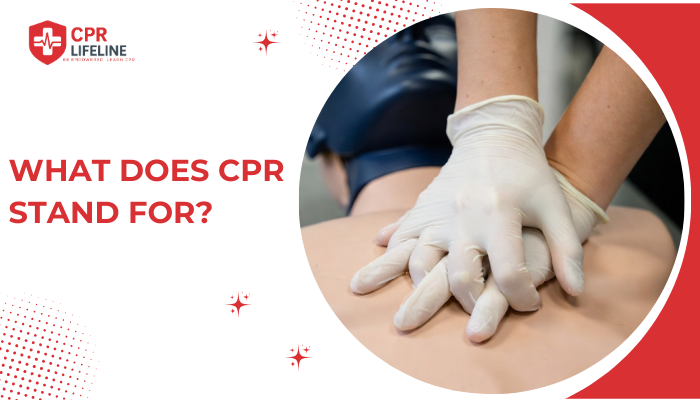
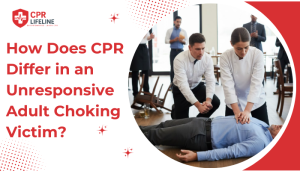
- Perform High-Quality Chest Compressions: Kneel beside the victim on a firm surface, placing the heel of one hand in the center of the chest with the other hand interlocked on top. Keeping elbows straight and shoulders directly over your hands, push at least 2 inches deep at 100–120 compressions per minute. Allow complete chest recoil between pushes and minimize interruptions to maintain steady rhythm for blood-flow.
- Open the Airway: After 30 compressions, perform the head-tilt/chin-lift maneuver. Gently tilt the head back and lift the chin to move the tongue away from the back of the throat. This clear path ensures that air can flow easily into the lungs without obstruction during the ventilation phase.
- Deliver Rescue Breaths: Pinch the nose shut and create an airtight seal by covering the person’s mouth with yours. Deliver two breaths, each lasting approximately one second. Closely watch for a visible chest rise with each breath to confirm that the air is successfully reaching the lungs.
- Continue CPR Cycles: Return to chest compressions immediately after 2 breaths. Continue cycles of 30 compressions and 2 breaths without stopping until signs of life appear, AED arrives, or emergency services take over. Switch rescuers every 2 minutes if possible.
CPR Across Different Age Groups
CPR techniques change based on the person’s age. Infants, children, and adults differ in size and body development, so hand placement, compression depth, and force all have to be adjusted.
What works for adults could injure an infant badly, while techniques suitable for infants won’t circulate blood enough for children or adults. Using the right method for their age makes CPR safer and more effective. Understanding these differences significantly increases the likelihood of survival in cardiac emergencies.
Infants (Under 1 Year)
Infants require the most delicate CPR approach due to their fragile bone structure and small body size. Use only two fingers placed in the centre of the chest just below the nipple line and compress approximately 1.5 inches deep. When delivering rescue breaths, cover both the infant’s nose and mouth simultaneously with your mouth. Give gentle puffs of air rather than full breaths, watching for slight chest rise. Follow the standard 30:2 ratio using considerably gentler force throughout to prevent damage while maintaining adequate circulation.
Children (1 to 8 Years)
Children between the ages of one and eight require flexibility in technique based on their specific size. Use one hand for smaller children or both hands for larger children approaching age eight. Compress approximately 2 inches deep at the center of the chest, maintaining 100 to 120 compressions per minute with a 30:2 ratio. When giving rescue breaths, create a complete seal over the mouth while pinching the nose, using less air volume than for adults. Adjust compression force based on body size to make the chest rise visibly without overinflating the lungs or causing injury.
Adults and Children Over 8 Years
For adults and children over eight, use the standard two-handed technique with full force. Place the heel of one hand on the center of the chest, the other on top with interlocked fingers. Position shoulders directly over hands with locked elbows. Compress at least 2 inches deep but no more than 2.4 inches using full body weight. This depth is necessary because adult chest walls are thicker and require more force to compress the heart adequately. Maintain 100 to 120 compressions per minute with complete chest recoil between each compression. Follow the 30:2 ratio with full rescue breaths.
What is an AED and How Do You Use It During CPR?
An Automated External Defibrillator (AED) is a portable electronic device designed to diagnose life-threatening cardiac arrhythmias and deliver an electric shock to restore normal heart rhythm in cases of sudden cardiac arrest. It features adhesive electrode pads to be placed on the chest, voice prompts guiding the user, and automated rhythm analysis to ensure safe, effective use even by untrained bystanders.
You can use the AED during CPR in below ways;
- Ensure safety and check response: Confirm the scene is safe, check if the person is unresponsive and not breathing normally, and shout for help while calling emergency services.
- Turn on the AED: Turn on the AED immediately as it provides voice prompts to guide you.
- Expose the chest and apply pads: Remove clothing from the chest (wipe dry if wet), place one pad below the right collarbone and the other on the left side below the armpit, then connect the pads to the AED.
- Clear the victim: Make sure no one including you is touching the victim and stand away for certain seconds as the AED analyzes the heart rhythm.
- Deliver shock if advised: If prompted, press the shock button (or it auto-delivers), ensuring everyone is clear.
- Resume CPR: Immediately start or continue CPR for 2 minutes, then re-analyze as directed until help arrives.
According to the American Heart Association, using an AED within the first three minutes of cardiac arrest can increase survival rates to 70% or higher. You’ll find AEDs in more public spaces now. Airports, shopping malls, schools, gyms, and office buildings have them. Familiarizing yourself with their location and use during CPR training enhances your emergency preparedness.
Common Mistakes People Make During CPR
Many people hesitate to start CPR because fear holds them back. You might worry about doing it wrong or hurting the person, but remember, taking action is always better than doing nothing at all. You really can’t make things worse for someone who has no pulse.
- Stopping too soon: CPR can exhaust you out quickly. Your arms can start burning and you may feel short of breath, yet you have to push through. If alone, keep going until you simply can’t anymore, or switch with someone every two minutes if help is around.
- Not pushing hard enough: This happens a lot because effective compressions can feel too aggressive. You may even hear ribs crack sometimes, but that’s okay in this situation. Broken ribs can heal easily, while losing a life cannot be undone.
- Pushing too slowly: It’s easy to slow down when you get tired, but you need to hit about 100 to 120 beats per minute. Pushing too slowly throws off the rhythm that the heart needs. It feels faster than you expect, so practicing with a metronome app really helps you get it right.
- Incorrect hand position: Always place your hands right in the center of the chest, between the nipples. If they’re too high, you miss compressing the heart properly, and too low could damage other organs like the liver.
- Leaning on the chest: After every push, you must allow the chest to recoil fully each time so blood can flow back into the heart. Without that full recoil, your efforts could lose up to fifty percent of their effectiveness.
- Giving up because the person doesn’t wake up: CPR rarely makes someone wake up and start talking. What you’re doing is buying precious time until professional help arrives, so keep going even without immediate signs of recovery.
- Pausing compressions too frequently: Frequent pauses disrupt blood circulation and reduce survival chances. Understanding when rescuers should pause compressions helps you maintain the critical chest compression fraction above 80%.
CPR Training and Certification: Investing in Life-Saving Skills
Understanding CPR conceptually is valuable, but formal CPR training and certification provide hands-on practice with practice mannequins. Training with such practice mannequins enables you to feel the correct depth and resistance required for effective chest compressions. These courses make sure you stay updated on the latest life-saving guidelines.
Beyond the physical skills, CPR training gives you psychological preparedness. Certification builds muscle memory and the mental confidence you need to take charge of a chaotic scene. Visit CPR Lifeline to find comprehensive CPR certification courses designed for all skill levels, from complete beginners to those seeking recertification. By investing a few hours in our certification course, you gain more than a credential for your resume. You gain the power to act as a decisive link in the chain of survival for your family, coworkers, and community.
Faqs
It’s normal to worry about causing harm, but serious injury is far less important than saving a life. You might fracture some ribs while performing CPR. It happens in about 30% of cases, especially with elderly patients.
You should not perform CPR if the person is breathing normally and has a pulse, if they're conscious and responsive, or if there's a valid DNR (Do Not Resuscitate) order present. Also, avoid CPR if the scene is unsafe for you. When in doubt, call 911 first. Dispatchers will guide you.
CPR certifications typically last 2 years from the issue date. You should renew your certification before it expires. Skills fade over time, so refresher courses help maintain your abilities. Some employers require annual CPR recertification for certain positions.
Stop CPR immediately if the person wakes up or starts breathing normally. Turn them on their side in the recovery position if they're breathing but still unconscious. Stay with them until paramedics arrive. Sometimes people regain consciousness briefly and then lose it again, so keep monitoring them.
Yes, doing something is better than doing nothing. Even imperfect CPR improves survival chances. Call 911 first, and the dispatcher can guide you through the steps. Hands-Only CPR requires just two steps. Call 911 and push hard and fast on the center of the chest.
Continue CPR until help arrives, the person recovers, or you are physically unable to go on. Since it’s exhausting, try to switch with someone every two minutes. This ensures the compressions stay effective and the scene remains safe.
Yes, but adjust the pad placement. Pacemakers and implanted defibrillators create small bumps under the skin, usually below the collarbone. Place the AED pad at least 1 inch away from these devices. The AED still works effectively with this adjustment.

Chris Peters
Chris Peters is a certified American Heart Association instructor and firefighter since 1996 with over 30 years of emergency response experience. After answering thousands of 911 calls, he founded CPR Lifeline to provide AHA-certified training that transforms bystanders into confident lifesavers who act decisively when seconds count