




In cardiac emergencies, every second counts, and how CPR is performed can directly influence a patient’s chance of survival. When an advanced airway is in place, CPR is no longer delivered in the same way as basic life support. Ventilation timing, chest compression flow, and team coordination all change in CPR performed when an advanced airway is in place, and those changes are proven to affect outcome often.
In this blog, we explain how CPR changes with an advanced airway and why those changes matter. Moreover, how teams can execute high-performance CPR with precision. If your goal is better outcomes, reduced errors, and clinical excellence, this blog delivers exactly what you are looking for.
What Is an Advanced Airway, and Why Is It Used During CPR?
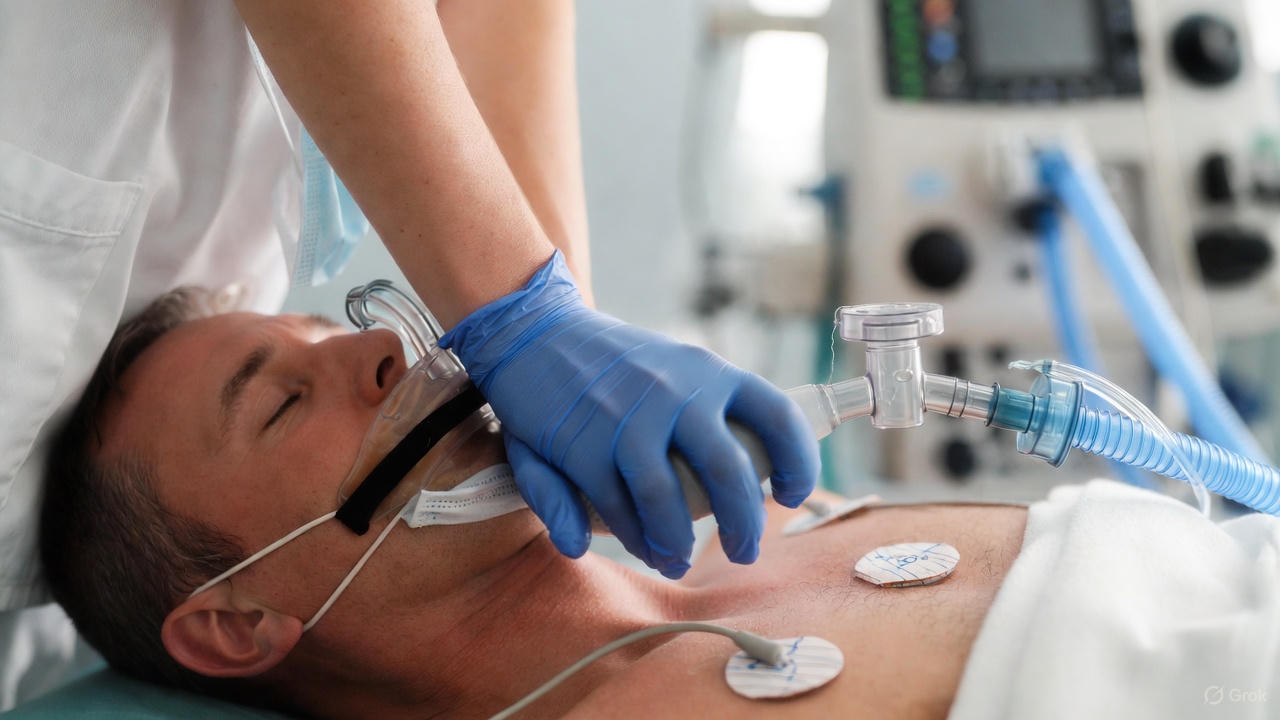
An advanced airway is a device that keeps the airway open during cardiac arrest when basic methods are insufficient, allowing oxygen to flow directly into the lungs for reliable ventilation. These interventions are generally performed by clinicians with specialized training in more serious or prolonged resuscitation efforts and are a key component of Advanced Cardiovascular Life Support (ACLS). By securing the airway more effectively than manual methods, Advanced Airway helps maintain adequate oxygen levels and support the body’s vital functions during resuscitation.
There are two types of Advanced Airways commonly used in CPR, i.e., endotracheal tubes and supraglottic devices, each serving distinct roles depending on the situation and provider skill level. Endotracheal tubes pass through the vocal cords into the windpipe, offering direct access to the lungs and the highest level of airway protection. In contrast, supraglottic options like the laryngeal mask airway are placed above the vocal cords and provide a quicker, though less secure, alternative when time or expertise limits intubation. Both approaches aim to improve ventilation efficiency and enhance the overall effectiveness of CPR.
When Should an Advanced Airway Be Inserted?
The decision to insert an advanced airway is made by Advanced Life Support (ALS) providers, paramedics, physicians, or nurses based on the patient’s condition and expected resuscitation duration.
Airway insertion is indicated when basic methods are insufficient or when prolonged ventilation is needed. Specific scenarios requiring an advanced airway include:
-
- Poor Ventilation: When basic methods, such as the Bag-Valve-Mask (BVM), fail to provide adequate chest rise and oxygen saturation despite correct technique.
- Prolonged Cardiac Arrest: If resuscitation efforts are expected to continue for an extended period, a secured airway is necessary for sustainable, high-quality care. A secure airway minimizes rescuer fatigue and maximizes ventilation reliability.
- Aspiration Risk: If there is known or suspected bleeding, vomiting, or regurgitation that poses a high risk of stomach contents entering the lungs. The advanced device creates a seal to protect the lower airway.
- Specific Trauma Conditions: Such as severe facial or neck trauma that makes standard basic airway maneuvers impossible or ineffective due to anatomical damage.
Insertion is an important step in Advanced Cardiac Life Support (ACLS), but it should never delay the initiation of high-quality chest compressions.
How CPR Technique Changes When an Advanced Airway Is in Place?
When an advanced airway is in place during CPR, the focus is switched to continuous chest compression without pausing for breath for more seamless and effective resuscitation. Rescue breaths are given separately, allowing for uninterrupted circulation and more efficient oxygen delivery during resuscitation.
Here is how the process changes with the use of an advanced airway;
Continuous Chest Compressions
When an advanced airway is in place, chest compressions are delivered continuously at a rate of 100 to 120 per minute. The rescuer must use correct hand placement on the lower half of the sternum, compress between 2 and 2.4 inches deep, and allow the chest to fully recoil between each push. This uninterrupted rhythm helps maintain consistent coronary and cerebral perfusion pressure, which is critical for improving the chances of return of spontaneous circulation.
In standard CPR without an advanced airway, rescuers must follow the proper steps of CPR, including a 30:2 ratio, i.e., 30 compressions followed by 2 rescue breaths. It requires pausing compressions for ventilation, which interrupts blood flow. Even brief delays beyond 10 seconds can reduce perfusion to vital organs, making it harder to sustain consistent, high-quality compressions over time.
Ventilation Technique
With an advanced airway in place, ventilations are delivered independently of chest compressions. A trained provider gives one breath every six seconds, which equals about 10 breaths per minute. Each breath is administered slowly over one second using a bag valve mask connected directly to the advanced airway device or through a mechanical ventilator if available. The goal is to achieve a visible chest rise without excessive volume, minimizing the risk of gastric inflation or lung injury.
In standard CPR without an advanced airway, ventilations are synchronized with compressions using a 30:2 ratio following the ABCs of CPR. Rescue breaths are typically delivered via mouth-to-mouth or with a bag mask, and each breath must be given quickly during the brief pause in compressions. This method offers less control over tidal volume and airway protection, and ventilation quality can suffer if compressions are delayed or poorly coordinated.
Continuous Monitoring
Once an advanced airway is placed, rescuers can use objective monitoring tools like waveform capnography to confirm correct tube placement, assess CPR quality in real time, and detect return of spontaneous circulation early. Continuous end-tidal CO₂ readings provide immediate feedback on ventilation and perfusion, guiding adjustments during resuscitation.
In CPR without an advanced airway, monitoring is limited to clinical signs such as chest rise, skin color, and pulse checks during rhythm analysis and lacks real-time physiological data. Capnography is generally not feasible with bag-mask ventilation alone, limiting the ability to objectively gauge CPR effectiveness or confirm airway status, making advanced airway placement a key step in data-driven resuscitation.
Team Roles and Coordination
Effective CPR with an advanced airway relies on clear role assignment within the resuscitation team. One rescuer focuses solely on delivering high-quality continuous chest compressions, while another manages ventilation, ensures airway integrity, and may monitor capnography or assist with medication administration. This assignment of defined roles reduces individual fatigue, enhances situational awareness, and allows for smoother transitions during rhythm checks or other interventions.
In contrast, especially in two-rescuer scenarios without an advanced airway in place, team members often alternate between compressions and rescue breath. In single rescuer situations, one person must perform both tasks alone, increasing physical and cognitive strain. It can lead to delays, inconsistent compression depth, or missed breaths. The advanced airway model supports a more structured, efficient, and sustainable resuscitation workflow.
Benefits of Performing CPR With an Advanced Airway
Continuous CPR with an advanced airway has many important benefits that help the patient survive and recover more successfully.
Uninterrupted Chest Compressions
An advanced airway allows rescuers to perform chest compressions without pause for breaths. This continuous rhythm helps maintain steady blood flow to the heart and brain, which is critical during cardiac arrest. Unlike standard CPR, where compressions are paused every 30 cycles for two rescue breaths, the advanced airway eliminates those interruptions, supporting stronger and more sustained perfusion throughout resuscitation.
Improved Oxygenation and Ventilation
An advanced airway delivers a steady, regulated flow of air directly into the lungs, improving oxygen delivery compared to basic methods that may leak or shift during compressions. Unlike basic CPR, where breaths are given with pauses in compressions, an advanced airway allows for continuous chest compressions while ventilations are given separately.
Enhanced Airway Protection
With an advanced airway in place, the risk of aspiration, i.e., inhaling stomach contents into the lungs, is significantly reduced. Devices like the endotracheal tube pass below the vocal cords, creating a physical barrier that helps keep the airway clean and functional, especially during prolonged resuscitation or in patients who may vomit. Reducing the risk of aspiration also lowers the chance of developing pneumonia or other complications after resuscitation.
More Effective Defibrillation
With an advanced airway, chest compressions are performed immediately after a shock is delivered, without delay for ventilation. It minimizes hands-off time around defibrillation, which is crucial because perfusion drops sharply during pauses. Faster return to compressions improves the chance that a defibrillated heart will receive the oxygenated blood it needs to sustain a rhythm.
Improved Medication Delivery and Drug Efficiency
An advanced airway enhances the delivery of emergency medications during CPR by supporting uninterrupted chest compressions and stable circulation. With the airway secured, providers can administer life-saving drugs, such as epinephrine or amiodarone, rapidly and safely through intravenous (IV) or intraosseous (IO) routes without pausing compressions. It not only improves drug distribution to the heart and brain but also allows the resuscitation team to maintain high-quality CPR while efficiently managing the advanced cardiac life support algorithm.
Real-Time Feedback and Monitoring
An advanced airway enables the use of waveform capnography, which confirms correct placement and provides continuous feedback on the effectiveness of CPR through end-tidal CO₂ readings. This objective data helps guide decisions, detect return of spontaneous circulation early, and adjust efforts in real time, which is not available in basic CPR.
Enhanced Post-Resuscitation Care
An advanced airway supports smoother post-resuscitation care by maintaining a secure and stable airway once spontaneous circulation returns. With the airway already in place, the rescuers can immediately focus on optimizing oxygenation and ventilation without the need for emergency intubation during this vulnerable period. This continuity helps prevent complications such as hypoxia or abnormal carbon dioxide levels and allows rescuers to prioritize other critical interventions.
Common Challenges When Using an Advanced Airway and How to Solve Them
Despite the benefits, using an advanced airway during the critical situation of a resuscitation effort carries specific risks that the team must proactively manage.
Airway Displacement During Compressions
Airway displacement can occur during vigorous compressions or patient movement, leading to leaks or ineffective ventilation. It is always important to secure the airway firmly, reassess placement after movement, and routinely check chest rise and bilateral breath sounds. Assigning one rescuer to monitor the airway helps prevent unnoticed displacement.
Excessive Ventilation
Overventilation increases intrathoracic pressure, reduces venous return, and lowers cardiac output. Deliver controlled breaths at the recommended rate—one breath every 6 seconds for adults-and monitor chest rise and ETCO₂ to ensure appropriate ventilation.
Equipment Misplacement or Poor Seal
Loose connections or improperly positioned airway devices can compromise ventilation. It is always important to secure BVM connections, correct device placement, and equal breath sounds. Regular training and drills improve rapid problem identification under stress.
Delayed Insertion Causing Harmful Pauses
Prolonged airway insertion interrupts chest compressions and reduces perfusion. Only trained providers should insert advanced airways, using brief, planned pauses with equipment prepared in advance to minimize interruptions.
Inexperienced Providers and Skill Fatigue
Inexperience and fatigue can reduce CPR quality and lead to airway errors. Ongoing training, simulation practice, and rotating providers every 2 minutes can help maintain effective compressions and airway management.
Best Practices for CPR With an Advanced Airway in Place
Once an advanced airway is secured, it is important to follow evidence-based practices and stay aligned with current resuscitation guidelines to maintain high-quality CPR.
-
- Assign Dedicated Team Roles: Communicate with the team and assign specific roles such that one provider performs compressions, another manages the airway and ventilations, and others handle defibrillation medications, timing and documentation. Clear role assignment enhances coordination and reduces fatigue.
- Confirm Airway Placement Immediately: Always check that the advanced airway is in the right place right after insertion. Use waveform capnography if available and look for clear signs like chest rise, equal breath sounds on both sides and no stomach inflation. Keep checking placement regularly, especially after moving the patient.
- Deliver Continuous Chest Compressions: Maintain compressions at a rate of 100 to 120 per minute with a depth of at least 2 inches but not more than 2.4 inches in adults. Allow full chest recoil and avoid all unnecessary pauses, especially for ventilations. Keep total hands-off time under 10 seconds during rhythm checks.
- Maintain Correct Ventilation Rate: Give one breath every 6 seconds, about 10 breaths per minute without interrupting compressions. Each breath should be delivered over 1 second with enough volume to produce a visible chest rise while avoiding hyperventilation or excessive pressure.
- Reconfirm Placement After Patient Movement: Airway displacement may occur during movement or transport. Reassess placement after any repositioning by checking chest rise, tube depth markings, and breath sounds. Prompt correction ensures effective and uninterrupted ventilation.
- Use Waveform Capnography Whenever Available: Waveform capnography provides real-time feedback on airway placement, ventilation effectiveness, perfusion, and early ROSC detection. Continuous ETCO₂ monitoring allows timely adjustments, improving CPR quality and patient safety.
When Not to Use an Advanced Airway
Although advanced airways improve CPR, insertion should be avoided if it delays or compromises chest compressions, which remain the priority according to AHA guidelines.
- Prolonged Interruption: If insertion takes longer than 10 seconds, it significantly lowers coronary perfusion pressure. In this case, stop the attempt and continue high-quality Bag-Valve-Mask (BVM) ventilation.
- Inexperienced Provider: Providers without sufficient intubation skill should avoid advanced airway attempts and rely on BVM or simple airway adjuncts to prevent failed, time-consuming efforts.
- Initial Phases of BLS: Only consider advanced airway devices after establishing effective compressions and defibrillation. Early focus must remain on circulation and timely shocks.
- Anatomical Difficulty or Trauma: If insertion is clearly challenging due to facial or neck trauma, opt for a Supraglottic Airway (SGA) device, which is quicker and requires less technical skill.
Safety Considerations and Care Tips for CPR Teams
Although the focus is on the patient, successful CPR also depends on team safety, discipline, and rescuer well-being. Following these precautions is key during advanced airway management.
Ensure Scene Safety Before Starting Care
Before starting CPR, assess the scene for hazards such as electrical wires, wet surfaces, fire, or structural dangers. Control bystanders to ensure clear access to the patient and enough space for compressions and equipment use. A safe scene prevents further injury to both rescuers and the patient.
Use Proper Body Mechanics to Prevent Rescuer Injury
Prolonged CPR can strain the back, shoulders, and wrists. Keep arms straight, shoulders over hands, and use body weight rather than arm strength. Proper posture and core engagement reduce fatigue and help prevent musculoskeletal injuries.
Rotate Rescuers Every Two Minutes to Prevent Fatigue
Fatigue reduces compression depth and effectiveness. Rotate compressors every two minutes or sooner if needed, using smooth transitions to avoid interruptions and maintain consistent blood flow.
Maintain Clear Communication Within the Team
Clear, concise communication is vital during resuscitation. Use direct commands, confirm understanding, and cross-check actions to prevent errors and delays while ensuring efficient teamwork.
Monitor and Minimize Exposure to Bodily Fluids
CPR may involve exposure to blood or respiratory secretions. Use appropriate personal protective equipment and follow proper hygiene and disposal protocols to reduce infection risk.
Stay Aware of Emotional Stress and Post-Event Fatigue
CPR can be emotionally demanding. Recognizing stress reactions and using structured debriefing or peer support helps prevent burnout and supports long-term responder readiness and well-being.
Mastering CPR With an Advanced Airway Saves Lives
Understanding how CPR changes when an advanced airway is in place can dramatically improve patient outcomes during cardiac emergencies. By mastering proper ventilation techniques, maintaining continuous compressions, monitoring airway placement, and coordinating effectively with your team, you can ensure high-quality resuscitation that saves lives. These skills are critical not only for healthcare professionals but also for anyone who may encounter emergencies in daily life.
Take your knowledge and confidence to the next level by enrolling in comprehensive CPR, BLS, ACLS, and PALS Courses from CPR Lifeline. Hands-on training allows you to practice advanced airway management, defibrillation, and effective team-based resuscitation under expert guidance. Equip yourself with the expertise to act swiftly, reduce interruptions, and maximize survival chances in critical situations.
Faqs
Yes, you can use an AED with an advanced airway in place during cardiac arrest. The advanced airway does not interfere with defibrillation, and compressions should stop only briefly for shock delivery.
You can confirm if the advanced airway is properly placed using end-tidal CO2 capnography, which shows a consistent waveform indicating tracheal intubation. You can also check for bilateral breath sounds and chest rise for spot-on verification, especially in chaotic scenarios.
While the intraosseous (IO) and intravenous (IV) routes are preferred, certain medications (like epinephrine or lidocaine) can be given via the endotracheal tube as a last resort.
Yes, this is the main difference. With the airway secured, compressions should be continuous at 100-120 per minute, without pausing for asynchronous ventilations.
Hyperventilation increases pressure in the chest cavity, which reduces the amount of blood flow returning to the heart. It lowers the effectiveness of chest compressions.

Chris Peters
Chris Peters is a certified American Heart Association instructor and firefighter since 1996 with over 30 years of emergency response experience. After answering thousands of 911 calls, he founded CPR Lifeline to provide AHA-certified training that transforms bystanders into confident lifesavers who act decisively when seconds count